
Recent Posts



Festivals, Food & Footprint: How to Celebrate Sustainably This Season
A New Way to Celebrate, Without the Waste
India's festive season is a time of joy, togetherness, and tradition. From the aroma of homemade sweets to the vibrant colors of rangoli, every detail is soaked in cultural beauty. But there's one thing that often goes unnoticed: the environmental cost of our celebrations.
With plastic plates, disposable spoons, and non-recyclable packaging piling up after every gathering, the festive aftermath can be far from joyful for the planet. But what if you could celebrate just as lavishly—without leaving behind a landfill's worth of waste?
At Dinearth, we believe festivals and sustainability can go hand in hand. This year, let's explore how you can host eco-friendly Diwali parties, conscious Ganpati celebrations, and sustainable office gatherings with compostable festive serveware and recyclable tableware that's both elegant and earth-kind.
1. The Problem With Traditional Serveware
Festivals mean food and food means packaging. But most households and caterers still use:
- Single-use plastic plates and cups
- Thermocol bowls
- Laminated trays
- Plastic-wrapped sweets
These items:
- Can't be composted
- Are rarely recycled properly
- Take hundreds of years to break down
Even reusable steel or ceramic tableware often comes with its own downsides in large gatherings—water wastage, breakage, and energy use.
The need for a better alternative has never been more urgent.
2. Compostable Festive Serveware: A Smart, Sustainable Solution
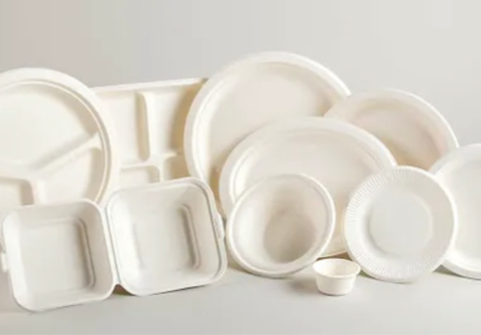
Enter Dinearth's compostable serveware, designed to handle heat, liquids, and heavy festive feasts with ease. Made from Sugarcane Bagasse, our products are:
- 100% compostable and biodegradable
- Sturdy and leak-proof
- Microwave and freezer-safe
- Stylish enough for any celebration
Whether it's a Diwali dinner for 20 or a Rakhi lunch at the office, compostable tableware lets you serve without guilt.
3. A Festive Look Without the Plastic
Dinearth's eco-friendly range includes:
- Designer bowls and plates with modern contours
- Elegant cutlery sets made from natural fiber blends
- Customisable printed trays for mithai or gifting
- Lid and container solutions for takeaways and prasadams
4. Reusable or Recyclable? Here's the Difference
A quick festive cheat sheet:
- Reusable tableware: Best for small home gatherings where dishwashing is manageable.
- Recyclable tableware: Often ends up in mixed waste if not properly sorted and cleaned.
- Compostable tableware: Disintegrates into soil with no harm—especially in commercial composting environments.
With compostables, you're not just reducing waste, you're returning nutrients to the earth.
5. How Offices and Communities Can Go Green This Year
Festivals like Diwali, Ganesh Chaturthi, and Onam often mean big community events. Here's how organisations and housing societies can lead change:
- Replace plastic plates at society Diwali melas with Dinearth bagasse plates.
- Offer compostable prasad cups during Ganpati visarjan.
- Use recyclable trays for rakhi gift boxes and hampers.
- Set up compost bins for proper disposal post-event.
Going green doesn't need to be hard. It just needs a little planning and the right partners.
6. A Shout-Out to India's Manufacturing Pioneers
As a proudly Indian brand, Dinearth is part of the new wave of leading manufacturers of eco-friendly products in India. Our parent company, Ashtavinayak Ecopak Limited, is backed by years of experience in sustainable manufacturing.
With a strong footprint under Ashtavinayak Industries, we've brought together modern technology and Indian ingenuity to build compostable solutions that: Meet international standards
- Serve local needs
- Are ready for both domestic and export markets
7. What You Can Do at Home
Even for intimate family celebrations, a few small changes can go a long way:
- Replace foil-wrapped sweets with eco-paper or bagasse trays.
- Use compostable bowls for dry snacks and namkeen.
- Offer natural banana-leaf or Dinearth plates for serving festive thalis.
- Set up a “zero-waste station” with clear bins for compostables.
8. Bonus: Hosting Tips for Eco-Friendly Diwali Parties
Here's how to make your Diwali party planet-approved:
- Use compostable or reusable serveware
- Decorate with natural flowers, diyas, and rangoli powders
- Skip balloons and plastic streamers
- Send digital invitations
- Partner with local composters for waste collection
9. After the Festival: Where Does It Go?
Many people ask: “If I use compostable serveware, how do I dispose of it?”
Here's the answer:
- In a home compost, it'll break down slowly with food scraps.
- In a commercial compost facility, it degrades in 30-45 days.
- In regular waste: Better than plastic, but potential is lost.
Dinearth is working with partners to strengthen composting infrastructure in Indian cities. Until then, we encourage:
- Segregating waste
- Partnering with collection networks
- Educating households and caterers
A Better Celebration Starts With a Better Plate
This festive season, choose joy but also choose responsibility.
At Dinearth, we're not asking you to give up tradition. We're asking you to celebrate it more thoughtfully. With beautiful, compostable festive serveware, you can host with pride, and without pollution. Let your festival be remembered not just for the lights and the food, but for the lightness of its footprint.